
So, you’re wondering how those “facilitation skills” can actually help your career in the corporate world? The short answer is: a lot. Developing strong facilitation skills makes you an invaluable asset in almost any role, from individual contributor to senior leader. It’s not just about running meetings; it’s about making things happen more efficiently, getting better outcomes, and building stronger teams. Think of it as a force multiplier for your professional impact.
Let’s be clear upfront: facilitation isn’t just about standing at the front of a room with a whiteboard marker. While that’s certainly part of it, the core of facilitation is about guiding a group through a process to achieve a shared goal. It’s about creating an environment where everyone feels heard, ideas flow freely, and decisions are made effectively. In the corporate world, this translates directly into better project outcomes, more engaged teams, and a smoother operational flow.
Beyond the Meeting Room
You might be thinking, “But I don’t run many meetings.” That’s okay! The principles of facilitation extend far beyond formal meeting structures.
- One-on-One Interactions: Even in a quick chat with a colleague about a problem, you’re facilitating a discussion towards a solution. You’re helping them articulate their thoughts, exploring options, and agreeing on next steps.
- Problem-Solving: When a team is stuck on a complex issue, a good facilitator helps break down the problem, brainstorm solutions, and prioritize actions. This isn’t necessarily a “meeting” in the traditional sense, but a focused problem-solving session.
- Strategic Planning: Whether it’s a small team defining quarterly goals or a larger department outlining a new initiative, facilitation ensures that all perspectives are considered, alignment is built, and a clear path forward is established.
- Conflict Resolution: When disagreements arise, a skilled facilitator can help parties understand each other’s viewpoints, find common ground, and work towards a mutually acceptable resolution. This prevents minor issues from escalating into major problems.
The Return on Investment for Your Career
Investing time in developing facilitation skills isn’t just about being a “nice” colleague; it’s a strategic career move. You’re not just improving the output of others; you’re building a reputation as someone who can drive results, foster collaboration, and effectively navigate complex situations. These are qualities that every organization values and rewards.
In today’s competitive corporate landscape, honing facilitation skills can significantly enhance your career trajectory. A related article that delves deeper into this topic is titled “Program for Quantum Facilitator,” which explores advanced techniques and methodologies for effective facilitation in various business settings. You can read more about it by visiting this link: Program for Quantum Facilitator. This resource provides valuable insights that can complement your understanding of how facilitation can be a game-changer in your professional development.
Boosting Your Influence and Leadership
One of the most immediate benefits of strong facilitation skills is a noticeable increase in your influence, regardless of your official title. When you can skillfully guide discussions and help groups reach consensus, people naturally look to you for leadership.
Guiding Decisions, Not Dictating Them
True influence isn’t about barking orders or always having the “right” answer yourself. It’s about helping others arrive at the best answers collaboratively.
- Empowering the Team: Instead of you providing the solution, you guide the team to discover it. This not only leads to better, more diverse solutions but also fosters a sense of ownership and commitment among team members. When people feel they contributed to the solution, they’re more likely to champion it.
- Building Consensus: Ever been in a meeting where everyone nods along, but deep down, half the room disagrees? A good facilitator actively seeks out dissenting opinions, addresses concerns, and works towards a genuine consensus that everyone can stand behind. This prevents passive-aggressive roadblocks down the line.
- Strategic Impact: When you’re consistently able to facilitate successful outcomes, you’ll be increasingly entrusted with more significant projects and strategic discussions. Your ability to steer complex conversations will make you a go-to person for high-stakes initiatives.
Becoming a Valued Problem-Solver
Organizations are always looking for people who can solve problems effectively. Facilitation skills put you squarely in that category.
- Structured Problem-Solving: You learn techniques to break down large, amorphous problems into manageable parts. You can then guide a group through brainstorming, prioritization, and action planning, turning chaos into clarity.
- Navigating Complexity: The corporate world is rarely black and white. Facilitation helps you navigate ambiguous situations, gather diverse perspectives, and find pathways forward even when there isn’t an obvious answer. You become the person who can bring order to complex discussions.
- Driving Action: It’s one thing to have a good discussion; it’s another to translate that into tangible action. Facilitators are adept at ensuring that discussions lead to clear decisions, assigned responsibilities, and defined next steps, preventing “meeting fatigue” where nothing ever gets done.
Enhancing Team Collaboration and Engagement
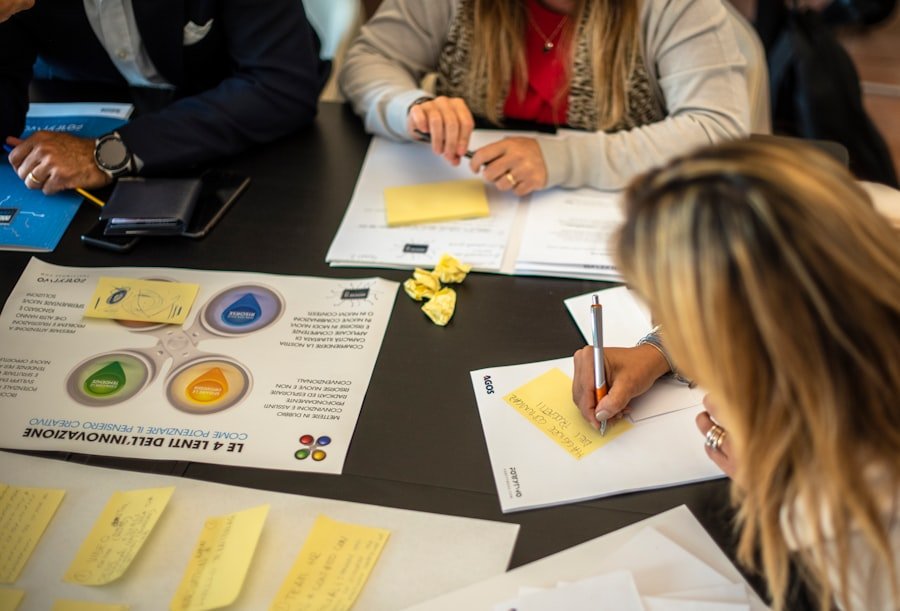
Effective facilitation is a cornerstone of strong team dynamics. When you facilitate well, you create an environment where individuals feel valued, heard, and motivated to contribute. This leads to better team cohesion and higher-quality work.
Creating Inclusive Environments
Not everyone is comfortable speaking up, especially in large group settings. A skilled facilitator ensures that all voices are heard, not just the loudest ones.
- Active Listening: This goes beyond just hearing words; it’s about understanding underlying meanings, emotions, and unspoken concerns. By actively listening, you can draw out quieter team members and ensure their valuable insights aren’t missed.
- Managing Dominant Personalities: We’ve all encountered them. Facilitators learn strategies to gently redirect dominant speakers, create space for others, and ensure that no single person monopolizes the conversation.
- Psychological Safety: A well-facilitated discussion is one where people feel safe to share half-formed ideas, ask “stupid” questions, or even admit they don’t understand something. This psychological safety is crucial for innovation and honest problem-solving.
Fostering Productive Discussions
Ever been in a meeting that felt like it went nowhere? Good facilitation prevents that by keeping discussions focused and moving forward.
- Clear Agendas and Objectives: Before any discussion, a facilitator ensures everyone understands what needs to be achieved and how the time will be spent. This sets clear expectations and minimizes tangents.
- Time Management: Keeping a group on track and on time is a facilitator’s art. This involves gentle nudges, parking lot techniques for off-topic items, and ensuring momentum is maintained.
- Conflict as a Catalyst: Disagreement isn’t necessarily a bad thing. A skilled facilitator can turn constructive conflict into an opportunity for deeper understanding and better solutions, rather than letting it devolve into personal attacks.
Sure, here is the sentence with the clickable link:
I highly recommend working with a Master Facilitator for your personal development journey.
Driving Innovation and Strategic Outcomes

In today’s fast-paced corporate world, innovation isn’t a luxury; it’s a necessity. Facilitation skills are critical for fostering the kind of environment where new ideas can flourish and strategic goals can be met.
Sparking Creativity and New Ideas
Innovation rarely happens in a vacuum. It often comes from diverse perspectives colliding and combining in new ways.
- Brainstorming Techniques: Beyond just saying “let’s brainstorm,” facilitators bring a toolkit of methods (like “Round Robin,” “Brainwriting,” “SCAMPER”) to generate a high volume of diverse ideas quickly and effectively, ensuring everyone contributes.
- Connecting Diverse Perspectives: By skillfully posing questions and drawing connections, a facilitator can help team members from different departments or with different expertise see how their ideas can complement each other, leading to novel solutions.
- Challenging Assumptions: Good facilitation encourages a healthy questioning of the status quo. It creates a safe space for people to ask “why not?” and to explore unconventional approaches without fear of judgment.
Translating Ideas into Actionable Plans
Having great ideas is one thing; turning them into concrete plans that deliver results is another. Facilitation bridges this gap.
- Prioritization Frameworks: When a team has generated a wealth of ideas, a facilitator can introduce frameworks (e.g., impact/effort matrix, MoSCoW) to help the group objectively evaluate and prioritize which ideas to pursue.
- Defining Clear Next Steps: Ambiguity is the enemy of action. A facilitator ensures that after a discussion, there are clear decisions, assigned owners, deadlines, and measurable outcomes. Who does what by when?
- Building Buy-in for Strategic Initiatives: New strategies often fail not because they’re bad ideas, but because they lack widespread buy-in. Facilitators are adept at involving key stakeholders in the planning process, ensuring they feel invested and committed to the new direction. This makes implementation much smoother.
Developing facilitation skills can significantly enhance your corporate career by improving communication and collaboration within teams. For those interested in exploring this topic further, a related article discusses various training opportunities that can help professionals refine their facilitation techniques. You can read more about these valuable resources in this informative piece on training programs designed to elevate your skills and boost your career prospects.
Enhancing Your Communication and Professional Presence
Beyond the direct impact on team output, developing facilitation skills significantly refines your personal communication style and elevates your professional presence within the organization. You’ll not only communicate more effectively but also project an image of capability and confidence.
Mastering Articulate Communication
Facilitation forces you to be precise, clear, and engaging in your communication.
- Clarity and Conciseness: When you’re guiding a group, you don’t have the luxury of rambling. You learn to articulate objectives, summarize complex points, and formulate questions in a way that is easily understood by everyone. This clarity translates to all your professional interactions.
- Effective Questioning: A facilitator’s superpower is asking the right questions at the right time. You learn to craft open-ended questions that spark discussion, probing questions that get to the root of an issue, and clarifying questions that ensure understanding.
- Summarizing and Synthesizing: The ability to distill complex discussions into clear, concise summaries is invaluable. It ensures alignment and shows that you’ve actively listened and understood the group’s progress. This skill is critical for reports, presentations, and general communication.
Projecting Confidence and Composure
Standing in front of a group, managing diverse personalities, and guiding a complex discussion demands a certain level of poise.
- Managing Group Dynamics: You learn to read the room, understand non-verbal cues, and adapt your approach on the fly. This adaptability makes you more resilient and effective in various professional settings.
- Handling Difficult Situations: From managing conflict to redirecting off-topic discussions, facilitation training equips you with strategies to maintain control and composure even when things get heated or go off track.
- Building Rapport: A good facilitator builds trust and rapport with the group. This involves active listening, empathy, and creating a supportive atmosphere. These interpersonal skills are crucial for career advancement and effective leadership.
Practical Steps to Develop Your Facilitation Skills
Okay, so you’re convinced. How do you actually go about getting these skills? It’s not about being born with it; it’s about practice and deliberate effort.
Learn the Fundamentals
Start with the basics. There are widely accepted principles and techniques you can learn.
- Read Books and Articles: Many excellent resources are available. Look for titles on meeting facilitation, group dynamics, and collaborative leadership. Authors like Sam Kaner (“Facilitator’s Guide to Participatory Decision-Making”) are a good starting point.
- Online Courses and Workshops: Platforms like Coursera, edX, or even specialized training companies offer courses specifically on facilitation skills. These often provide structured learning and practical exercises.
- Observe Good Facilitators: Pay attention to how effective leaders or colleagues run meetings or discussions. What do they do well? How do they handle challenges? Mentors can be invaluable here.
Practice, Practice, Practice
Like any skill, facilitation improves with hands-on experience. Don’t wait for a formal “facilitator” role.
- Volunteer for Meeting Roles: Offer to run the next team meeting, lead a brainstorming session, or moderate a discussion. Start small and build up your confidence.
- Take on Group Projects: Any time you’re involved in a group effort, consciously apply facilitation techniques. Focus on setting clear objectives, managing time, and ensuring everyone participates.
- Seek Feedback: After you’ve facilitated something, ask trusted colleagues for honest feedback. What went well? What could be improved? Be open to constructive criticism.
Build Your Facilitator’s Toolkit
A good facilitator has a range of tools and techniques at their disposal.
- Different Meeting Formats: Learn how to run various types of meetings: brainstorming, decision-making, problem-solving, strategic planning, retrospectives, etc. Each has its own best practices.
- Visual Aids and Tools: Get comfortable with whiteboards, flip charts, sticky notes, and digital collaboration tools (Miro, Mural, Jamboard). These are essential for making discussions visual and engaging.
- Questioning Techniques: Develop a repertoire of powerful questions. Practice open-ended questions, clarifying questions, and questions that challenge assumptions.
- Conflict Resolution Strategies: Learn basic methods for de-escalating tension, identifying common ground, and mediating disagreements within a group.
By proactively developing your facilitation skills, you’re not just improving your ability to run a smooth meeting; you’re investing in a powerful skill set that will elevate your influence, enhance team performance, drive innovation, and ultimately, accelerate your corporate career trajectory. It’s a game-changer for anyone looking to make a significant impact.
FAQs
What are facilitation skills?
Facilitation skills are the ability to guide and manage group discussions, meetings, and workshops in a way that encourages participation, collaboration, and problem-solving.
How can facilitation skills benefit a corporate career?
Facilitation skills can benefit a corporate career by improving communication, decision-making, and problem-solving within teams and across departments. They can also help in managing conflicts and achieving consensus in a corporate setting.
What are some key facilitation skills that can boost a corporate career?
Key facilitation skills that can boost a corporate career include active listening, effective communication, conflict resolution, decision-making, and the ability to create a collaborative and inclusive environment.
How can one develop facilitation skills?
One can develop facilitation skills through training programs, workshops, and practice. Seeking feedback from colleagues and mentors can also help in improving facilitation skills.
How can facilitation skills be applied in a corporate setting?
Facilitation skills can be applied in a corporate setting by leading meetings, workshops, and team discussions, facilitating problem-solving sessions, and guiding decision-making processes. They can also be used to improve team dynamics and foster a culture of collaboration and innovation.