
So, you’re curious about making training sessions more captivating? The solution, put simply, is through hands-on education. Rather than merely hearing or reading, hands-on education means getting actively involved, exploring simulations, tackling genuine challenges, and teaming up with others. It’s about gaining knowledge through action, which usually sinks in far better than just being told about it. Let’s check out some of the finest methods to incorporate this into your training.
Ponder this: how did you truly learn to balance on a bicycle? Not by scanning a booklet, correct? You hopped on, likely tumbled a few times, made modifications, & finally got the knack of it. That’s the essence of hands-on education. It takes advantage of how our minds naturally pick up abilities and understanding.
For those interested in enhancing their training programs through experiential learning activities, a related article that provides valuable insights is available at this link: Power Success Training. This resource offers a comprehensive overview of effective training strategies and highlights the importance of engaging participants through interactive methods, which can significantly improve retention and application of knowledge in real-world scenarios.
When individuals are fully engaged, making choices, and witnessing the immediate results of their moves (or lack thereof), the learning turns deeply intimate & unforgettable. This isn’t just about turning training “entertaining,” though it often is; it’s about rendering it impactful and enduring. The Reasoning Behind the Staying Power
Our brains are designed for firsthand experience. When we involve several senses and mental functions—solving problems, analytical reasoning, making judgments, cooperating—we build stronger nerve connections. This is frequently connected to Kolb’s Hands-On Learning Cycle: direct experience, reflective thinking, idea formation, and active testing.
Simply put, you perform an action, contemplate what occurred, attempt to grasp why, and then repeat it with fresh views. This ongoing cycle strengthens comprehension and skill growth much more successfully than inactive study techniques. It shifts facts from temporary memory to lasting memory because it carries context and personal significance. Past Mere Participation: Genuine Practical Effects
While higher participation is a definite advantage, the real strength of hands-on education resides in its capacity to encourage deeper understanding, sharp thinking, and problem-solving talents directly usable on the job. It assists in closing the divide between concepts and practice, permitting learners to use fresh information in a secure setting before encountering real-world strain.
Discover the transformative potential of our coaching programs by exploring our website services. Our expert team is dedicated to helping you achieve your personal and professional goals. Visit our website services to learn more about our offerings.
This develops self-assurance, boosts memory, and eventually results in superior performance and output. It’s about cultivating capable, assured team members, not merely educated ones. One of the most successful methods to design hands-on education opportunities is through drills & character exercises. These exercises let participants step into lifelike situations without the actual risks of errors, providing a secure area to rehearse & polish abilities.
1. High-Fidelity Drills
These are crafted to copy real-world settings as closely as feasible. Picture flight simulators for pilots, or sophisticated medical training dummies that respond physically.
To enhance the effectiveness of experiential learning activities, it’s essential to explore various training methodologies that foster engagement and retention. One insightful resource that delves into innovative training approaches is the article on Quantum Facilitator Programs. This piece offers valuable strategies for creating dynamic learning environments that captivate participants. You can read more about it in this article, which complements the discussion on making training more engaging through experiential learning.
Although not every organization requires a high-cost simulator, the idea holds true: build a setting where the learner can perform certain jobs under authentic conditions. For Client Support: Utilize software that imitates customer interaction systems, complete with realistic client complaints or questions. Learners can rehearse handling the system, retrieving details, and replying to various customer moods. This could include an internal setup that mirrors your actual CRM, but with test data and built-in situations that introduce surprises. For Task Oversight: Replicate project schedules, spending limits, & surprise hurdles.
Learners can employ project management tools to organize, execute, and adjust to shifts, noticing the effect of their choices on project reach & due dates. This could be as basic as a spreadsheet-based drill where different choices trigger different results in terms of time and expenses. For Technical Expertise: Develop virtual lab settings where IT experts can rehearse fixing network problems or rolling out new applications without affecting active systems. This prevents expensive halts and permits repeated practice. Offerings like “cloud labs” provide short-term, isolated environments for exactly this aim.
2.
Scenario-Based Character Exercises
Character exercises move past simply copying a system; they target human interactions and choice-making in particular settings. The crucial factor here is strong scenario creation and helpful feedback. Tough Discussions: Have learners rehearse offering performance evaluations, settling disputes, or dealing with private employee concerns. One person acts as the supervisor, another as the staff member, & a third can watch and offer input. Switch roles to ensure everyone practices both viewpoints.
The scenarios ought to be detailed, like “A team member is frequently tardy, but you believe there are personal issues.”
Sales Discussions: Set up situations where learners bargain with a “customer” (another learner or coach). Offer clear targets for both sides (e.g., product aspects to emphasize, spending caps for the client). Concentrate on attentive hearing, managing objections, and finalizing methods. Recording these meetings (with permission) & watching them can be extremely revealing. Emergency Control: Present a staged emergency (e.g., a product recall, a security leak) and have groups rehearse their reaction. Who talks to whom?
What measures are taken? This assists in spotting shortcomings in communication strategies and decision procedures under pressure. These can be performed as tabletop exercises, with coaches introducing new details as the emergency unfolds. Problem-centered education (PCE) revolves around giving learners an open-ended issue or task that demands them to investigate, examine, and cooperate to discover an answer. Real-world examples are a more organized type of PCE, offering thorough descriptions of authentic situations for examination.
3.
Genuine Real-World Examples
Unlike theoretical instances, impactful real-world examples explore actual circumstances faced by organizations, providing deep context and layered tasks. They demand participants to examine data, spot main problems, suggest answers, and support their suggestions. Examining Business Setbacks/Wins: Present thorough accounts of organizations that either succeeded or declined due to particular choices. For example, a real-world example on Nokia’s collapse or Netflix’s transformation. Learners examine the strategic decisions made, the industry conditions, and the management choices, then talk about what they would have done differently.
This involves supplying financial figures, market portion reports, and competitor reviews. Moral Problems: Present cases where staff encountered tough ethical choices. Learners must examine the situation from several angles (legal, moral, social duty) & suggest a plan of action, defending their logic. For example, a case about a firm deciding between earnings and ecological impact.
Technical Repair Scenarios: Provide thorough descriptions of complex technical problems encountered by an organization (e.g., a constant network failure, a program flaw that impacts several systems). Learners must work through the diagnostic process, spot likely reasons, & suggest a fix, including preventive actions. This would involve logs, error alerts, and system blueprints.
4. Open-Ended Issue-Solving Tasks
These advance beyond real-world examples by frequently including less prepared information, urging participants to search for facts and define the problem on their own.
“Fix Our Workflow” Tasks: Present a genuine or staged internal workflow that is slow or troublesome (e.g., welcoming new hires, filing costs, resolving customer grievances). Groups are assigned to find bottlenecks, suggest improvements, & propose a revised workflow.
They could interview actual employees or collect data to back their conclusions. Product Creation Sprints: Give groups a made-up issue or market requirement and task them with brainstorming a fresh product or service. This involves market study (even if simulated), brainstorming features, creating a basic model (even a drawing or show), and delivering their “pitch.” This encourages creativity and teamwork.
Data Investigation Quests: Provide a large dataset (anonymized actual data is ideal) and a business question (e.g., “Why are sales dropping in Region X?”). Learners must clean the data, spot relevant measures, perform investigation, and present their conclusions and suggestions. This builds data skills and analytical thinking.
Directly using skills in a project-focused setting or through engaging workshops is another key aspect of hands-on education. These tasks connect the gap between gaining knowledge and practical use.
5. Practical Final Projects
These are extended tasks that demand learners to apply a broad range of skills obtained during the education.
They often result in a concrete item or demonstration. Building a Tool/Application: For technical education, have participants build a small application, script, or dashboard that tackles a genuine internal requirement. This could be a simple internal tool for data entry, an automation script for a monotonous job, or a dashboard to show team figures.
Developing a Teaching Module: For instructors or topic specialists, task them with designing and delivering a short teaching module on a particular subject, using the concepts learned in the education. This uses educational skills directly. Creating a Promotion Push: For promotion teams, have them develop a complete small push for a made-up product or service, including messaging, target audience study, channel choice, and basic creative ideas. This involves practical application of strategy and execution.
6.
FAQs
What are experiential learning activities?
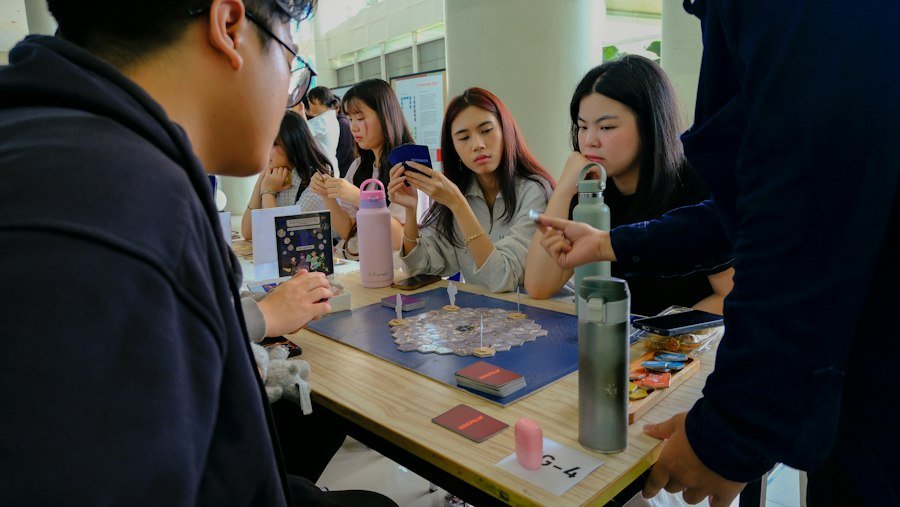
Experiential learning activities are hands-on experiences that allow participants to engage directly with the material they are learning. These activities often involve real-world scenarios, simulations, or role-playing exercises that encourage learners to apply their knowledge in practical situations, enhancing retention and understanding.
How can experiential learning improve training outcomes?
Experiential learning can improve training outcomes by increasing engagement and motivation among participants. When learners actively participate in their education, they are more likely to retain information and develop critical thinking skills. This approach also fosters collaboration and communication, which are essential in many workplace environments.
What types of activities can be considered experiential learning?
Types of activities that can be considered experiential learning include simulations, case studies, role-playing, group projects, field trips, and hands-on workshops. These activities encourage learners to immerse themselves in the subject matter and apply their knowledge in a practical context.
How can trainers effectively implement experiential learning activities?
Trainers can effectively implement experiential learning activities by first identifying the learning objectives and then designing activities that align with those goals. It is important to create a safe and supportive environment where participants feel comfortable taking risks and making mistakes. Additionally, providing opportunities for reflection and feedback can enhance the learning experience.
What are some challenges associated with experiential learning?
Some challenges associated with experiential learning include the need for careful planning and resource allocation, as well as the potential for varying levels of participant engagement. Trainers may also face difficulties in assessing learning outcomes, as traditional evaluation methods may not fully capture the depth of understanding gained through experiential activities.