
The short answer to the question of whether a Master Facilitator Program is worthwhile for your professional and personal development is that it is if you want to greatly improve your capacity to lead teams, facilitate fruitful discussions, and unleash the potential of both yourself and others. Being a catalyst for positive change is more important than simply conducting meetings. Knowing what these programs usually provide and how that translates into real benefits is the longer answer. Consider it an investment in a high-impact skill that will benefit you in practically every area of your life.
How Do You Define a Master Facilitator Program? Fundamentally, the goal of a Master Facilitator Program is to provide you with advanced techniques and frameworks for leading meetings, workshops, and conversations in a way that produces significant results. It explores the psychology of group dynamics, strategic questioning, conflict resolution, & creative problem-solving, going beyond the fundamentals you might learn via experience.
The Master Facilitator Program for Personal and Professional Growth is designed to equip individuals with the skills necessary to lead and inspire others effectively. This program emphasizes the importance of facilitation in various settings, enabling participants to enhance their communication and leadership abilities. For those interested in exploring similar opportunities, the program for Quantum Facilitator offers a unique approach to personal development and group dynamics. You can learn more about it by visiting this link: Program for Quantum Facilitator.
Being the loudest person in the room is not the goal of these programs. Rather, they concentrate on fostering an atmosphere where each person feels appreciated, heard, and free to share their best ideas. The central elements.
Advanced Communication Techniques: While active listening is undoubtedly important, this goes beyond that. It entails developing the ability to challenge presumptions without coming across as combative, ask insightful, open-ended questions that delve deeper, and effectively paraphrase to guarantee understanding. Comprehending Group Dynamics: You will gain the ability to read the room, identify various communication styles, and foresee possible obstacles before they impede progress. This entails comprehending personality types and how they behave in social situations.
Become a certified Master Facilitator and enhance your leadership skills at https://powersuccesstraining.com/master-facilitator
Structured Methodologies: Programs frequently present a variety of tried-and-true facilitation models and resources, such as comprehensive frameworks for problem-solving & brainstorming techniques. Instead of winging it, you’ll have a toolkit for a variety of scenarios. Conflict and Tough Conversations: It’s essential to learn how to handle disagreements in a positive way. This includes techniques for reducing stress, identifying points of agreement, and making sure that even difficult subjects are handled constructively. Design & Planning of the Session: A skilled facilitator does more than simply show up.
The Master Facilitator Program for Personal and Professional Growth offers a unique opportunity for individuals looking to enhance their facilitation skills and drive impactful change in their organizations. Participants can benefit from a comprehensive curriculum designed to develop essential competencies in leadership and communication. For those interested in exploring more about effective training methodologies, a related article can be found at this link, which provides insights into various training programs available in Malaysia. Engaging in such programs can significantly contribute to personal development and professional success.
They carefully prepare meetings, establishing precise goals, creating interesting exercises, & foreseeing possible difficulties. There is more to it than just meetings. The skills you acquire are widely applicable, even though a large amount of facilitation takes place in formal meeting settings. Consider group projects, brainstorming sessions, neighborhood get-togethers, or even mediating family conflicts.
Increasing Your Impact in Your Career. A Master Facilitator Program is a powerful differentiator for your career. It conveys to potential employers and coworkers your ability to effectively manage chaos, promote teamwork, and produce outcomes.
turning into a go-to person. Enhanced Efficiency: Well-run meetings accomplish their goals and are shorter and more concentrated. Everyone benefits from time and resource savings. Higher Quality Decisions: You help make decisions that are more robust and well-informed by making sure that different points of view are taken into account and discussed honestly. Improved Teamwork and Morale: People are more engaged and cooperative when they feel heard and involved.
A happier and more productive workplace may result from this. Leadership Development: The ability to facilitate is a leadership skill in & of itself. It shows that you have the capacity to empower, mentor, and influence people without necessarily having a formal management title. Career Advancement: Strong facilitation abilities are highly valued in many fields. They may lead to opportunities for project leadership, new roles, and even consulting or training jobs.
Problem-Solving Skills: You’ll acquire a methodical approach to identifying the underlying causes of issues and leading teams to workable solutions. Enhancing Your Individual Development. The advantages of becoming an expert facilitator go well beyond the office and have a significant impact on your personal life. Developing Stronger Connections.
Better Listening Skills: Your interpersonal relationships will inevitably benefit from the focus on active listening and genuinely comprehending others’ viewpoints. You’ll improve as a companion, friend, & family member. Improved Communication: You’ll become more adept at expressing your needs, articulating your ideas clearly, and navigating difficult conversations with poise and assurance. Increased Empathy: Comprehending diverse perspectives and group dynamics cultivates a more profound feeling of empathy & compassion. Improved Conflict Resolution: The ability to handle conflicts at work can be very helpful in settling personal disputes, resulting in more peaceful relationships.
Enhanced Self-Awareness: Gaining insight into your own communication patterns, prejudices, & leadership style is frequently the result of learning to read and impact group dynamics. Empowerment of Others: Assisting others in finding their voice and sharing their thoughts will give you a great sense of fulfillment & enhance any social interaction. What a Program Should Have. Master Facilitator programs are not all made equal. Keep these things in mind when you’re thinking about making an investment to make sure you’re getting the best value.
Realistic considerations. Curriculum Depth and Breadth: Look for a curriculum that strikes a balance between theory & real-world application. Does the program cover a wide range of topics, from basic techniques to advanced strategies? Experiential Learning: The most effective programs incorporate practical experience.
Is it possible to lead in-person sessions, get feedback, and participate in role-playing? Expertise of the Instructor: Who is instructing the program? Do they have extensive knowledge of the subject matter and a track record of successful facilitation? Which learning modality—online, in-person, or hybrid—best fits your schedule & learning preferences?
Programs that take place in person frequently provide more opportunities for in-person observation & feedback. Duration and Intensity: How long will the program last? Do you want a more dispersed learning experience or an intensive bootcamp? Accreditation and Recognition: Some programs offer certifications that can give your skills more legitimacy, though they are not always necessary.
Opportunities for Networking: Do you have the chance to meet other participants who share your enthusiasm for facilitation? This can be a great way to get support & continue learning. Post-Program Support: Do you have access to resources like online communities, mentorship, or follow-up sessions after completing the program? Important Subjects to Give Priority. Advanced Questioning Strategies: This is the core of effective facilitation. Bias Recognition and Mitigation: It’s critical to comprehend how to spot & deal with unconscious biases within groups.
Techniques for establishing settings where people feel comfortable taking chances and expressing themselves are known as psychological safety. Creative Problem Solving Tools: Seek out courses that teach more sophisticated innovation approaches in addition to basic brainstorming. Feedback Mechanisms: It’s critical to learn how to provide & accept constructive criticism. Adaptability & Improvisation: While preparation is essential, a skilled facilitator is able to make last-minute adjustments.
Common Myths Dispelled. It’s simple to assume that facilitation is limited to getting everyone to agree or drawing a line on a whiteboard. A Master Facilitator Program will quickly dispel these beliefs. Above the Surface.
“It all comes down to being kind and making everyone happy.
While fostering a positive environment is crucial, successful facilitation focuses on achieving goals, even when doing so requires navigating difficult conversations or challenging concepts. It’s not about avoiding tension, but rather making room for it.
“If they have good people skills, anyone can do it. “Mastery requires a far deeper understanding of process, psychology, & structured methodologies, but good people skills are a foundation. It’s a craft that calls for specialized instruction and practice.
“Only managers or team leaders are permitted to facilitate. Regardless of their official position, anyone who needs to lead groups toward goals can gain.
This includes people in informal leadership roles as well as project managers, consultants, trainers, and community organizers.
“It’s about managing the discourse. The goal of genuine facilitation is to enable the group to come up with its own solutions. By directing the process and establishing the ideal circumstances for the emergence of collective intelligence, the facilitator.
“Programs lack sufficient practicality and are too theoretical.
The most effective programs are very hands-on. A program is probably not the best choice for honing practical facilitation skills if it seems to consist solely of lectures. The reward is the journey. Participating in a Master Facilitator Program is more than just picking up new skills; it’s starting a journey of personal and professional development.
You’ll come away with a sharper mind, a better comprehension of interpersonal relationships, & the self-assurance to mentor, inspire, and lead others toward extraordinary results. It’s an investment in your capacity to change the world, one conversation at a time.
.
FAQs
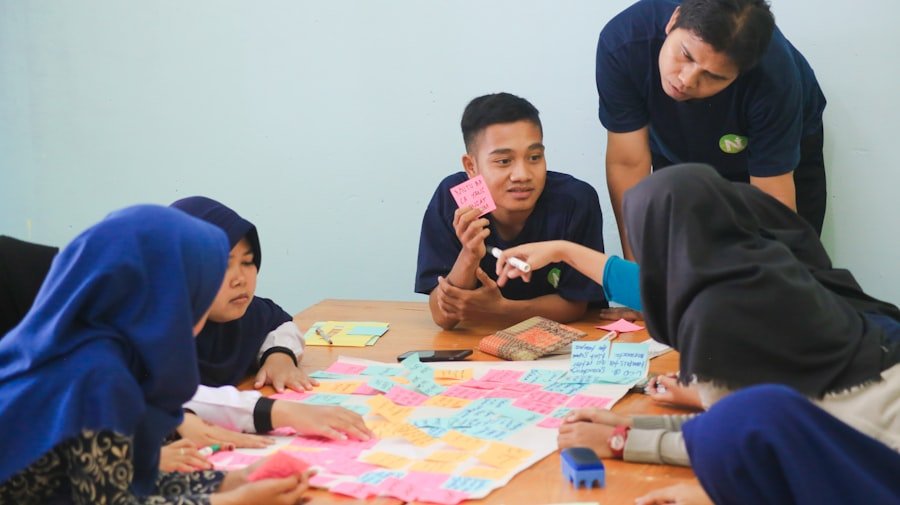
What is the Master Facilitator Program for Personal and Professional Growth?
The Master Facilitator Program is a comprehensive training program designed to enhance facilitation skills for personal and professional growth. It focuses on developing advanced facilitation techniques, leadership skills, and the ability to create impactful learning experiences.
What are the key components of the Master Facilitator Program?
The program includes modules on advanced facilitation methods, effective communication, conflict resolution, emotional intelligence, and leadership development. Participants also engage in practical exercises, case studies, and peer-to-peer learning to apply their skills in real-world scenarios.
Who can benefit from the Master Facilitator Program?
The program is ideal for professionals who are involved in facilitating group discussions, workshops, training sessions, or team meetings. It is also beneficial for individuals seeking to enhance their leadership abilities, communication skills, and emotional intelligence in both personal and professional settings.
What are the prerequisites for enrolling in the Master Facilitator Program?
While there are no strict prerequisites, participants are typically expected to have prior experience in facilitation or leadership roles. A basic understanding of facilitation concepts and a willingness to engage in self-reflection and personal development are also beneficial for successful completion of the program.
How can I apply for the Master Facilitator Program?
Interested individuals can apply for the program by submitting an online application through the program’s official website. The application process may include a review of qualifications, a personal statement, and possibly an interview to assess the candidate’s suitability for the program.