
You are an expert at leading teams, igniting ideas, and ensuring that learning sticks because you are a Master Facilitator. However, when it comes to your online training business, are you ranking as well as you facilitate? Getting your training business to appear prominently on Google is essential to drawing in new customers. Consider this: your online presence should be focused on impact & clarity if your workshops are. Let’s examine how you can use SEO to ensure that individuals in need of your services find your training company.
Search Engine Optimization, or SEO, may sound a little technical, but at its core, it’s about making your website useful & comprehensible to search engines like Google and, more importantly, to potential customers. For a master facilitator, this entails tailoring your web content to the unique issues & goals of individuals looking for instruction. It’s important to show your authority and knowledge in a way that people can relate to, not just with keywords.
For those looking to enhance their understanding of SEO strategies specifically tailored for training businesses, the article “Quantum Facilitator Program” provides valuable insights that complement the Master Facilitator SEO Guide: How to Rank Your Training Business on Google. This resource dives into effective techniques for promoting your training programs online, ensuring that you can reach a wider audience. To explore this further, visit the article here: Quantum Facilitator Program.
Google’s true desires. Giving users the best answers to their search queries is Google’s main objective. This means that your website must be authoritative, user-friendly, and relevant. When someone searches for “leadership training workshop,” Google wants to present the most reliable and beneficial results. It’s your responsibility to demonstrate that your training company is one of those choices. It’s Not All About Keywords.
A sophisticated SEO strategy goes beyond just jamming keywords into your content, even though they are an important component of the puzzle. Google has the intelligence to comprehend the context and purpose of a search. Therefore, rather than just thinking about “leadership training,” think about what motivates people to look for it. Are they seeking executive coaching, team building, or conflict resolution? Your SEO should demonstrate an awareness of these more profound needs. Building Authority, Not Just Presence.
Become a certified Master Facilitator and enhance your leadership skills at https://powersuccesstraining.com/master-facilitator
Consider your website as an online extension of your facilitation abilities. You must establish credibility & trust online in the same way that you do in person. This entails presenting your knowledge, offering testimonials, and producing insightful content that demonstrates your proficiency. Here’s where you delve into the vocabulary that prospective customers use when looking for training solutions. To find these terms, you need to use tools & strategies rather than just speculating.
If you’re looking to enhance your online visibility and attract more clients to your training business, you might find the insights in the Master Facilitator SEO Guide invaluable. This comprehensive resource offers strategies specifically tailored for training providers aiming to improve their rankings on Google. For further reading on how to effectively position your training services, check out this related article on becoming a leading training provider in Malaysia. By implementing these techniques, you can significantly boost your online presence and reach a wider audience.
Finding Your Essential Services. Make a list of every kind of training you provide. Consider “team building activities,” “corporate team development,” “improving team collaboration,” and “strengthening team communication,” for instance, if you engage in team-building exercises. A “. employing tools for keyword research.
Some very useful tools are Ahrefs, SEMrush, Ubersuggest, and Google Keyword Planner (free with a Google Ads account). These tools let you see what people are really looking for, how frequently they are used, & how competitive those terms are. Pay attention to long-tail keywords, which are phrases that are more precise & lengthy. Consider “interactive workshop on effective meeting facilitation” or “virtual team building activities for remote employees” in place of just “workshop.”. Because they exhibit a highly specific intent, they frequently have lower search volume but significantly higher conversion rates.
Examine Competitor Keywords: Find out what keywords your profitable rivals are using. This can help you see opportunities that you may have overlooked. Recognizing search intent.
This is very important for facilitators. What is a search query intended to accomplish? Informational: An individual seeking to “acquire knowledge of change management.”. The “. Navigational: A person who wants to “visit the website of [Your Training Company Name].
The “. Transactional: A person seeking to “find a facilitator for leadership development” or “book a negotiation skills workshop.”. The “.
This goal must be reflected in your content. When hiring someone, they want to see more than just a blog post about leadership history; they want to see services, testimonials, and booking details. After determining which terms to focus on, you must organically incorporate them into the content of your website. This is about making your website easy to use, clear, and beneficial for both users and search engines. Creating Captivating Meta Descriptions and Page Titles. These are the first items that appear in search results.
They must be precise, interesting, and contain your desired keywords. Page titles should be succinct (between fifty and sixty characters) and informative. One example of a service page would be “Leadership Training Workshops for Growing Teams | [Your Business Name]”. The “. Meta Descriptions: This serves as your brief pitch.
Try to keep it to 150–160 characters. It should highlight the content of the page & entice users to click. “Our expert-led team building workshops will improve problem-solving & teamwork. Schedule your meeting right now. optimizing your content for search engines. Don’t push keywords.
Incorporate them logically and smoothly into your headings, body text, and image alt tags. Headings (H1, H2, H3): Include your primary keywords in the title of your H1. To give your H2 and H3 subheadings structure & break up your content, use related keywords & variations. Consider them as mini-titles for sections that aid in the topic’s comprehension for both readers and search engines. Body Text: Include your keywords in sentences and paragraphs where they are useful.
Use phrases like “managing disagreements,” “team conflict resolution strategies,” “mediation techniques,” & so on when writing about conflict resolution. when suitable. Describe your images with pertinent keywords in the image alt text. “Diverse team collaborating on a project using interactive facilitation techniques” could be the alt text for a picture of a group of people working together.
A “. UX, or user experience, is king (and queen!). Google rewards websites that are user-friendly and beneficial. Mobile-Friendliness: Your website should appear and work flawlessly on tablets & smartphones.
Most people will perceive you in this manner. Page Speed: Users are irritated by slow-loading pages, which also lower your rankings. Use effective coding, optimize your images, and think about a reputable hosting company. Clear Navigation: Make it simple for users to locate what they’re searching for.
Make sure your website has a logical structure & a clear menu. You are an expert in facilitation. Your website should demonstrate this by regularly offering insightful, useful content that addresses the queries of your audience and highlights your distinct style. The Blog’s Power.
You can show off your expertise on your blog. Respond to Frequently Asked Questions: Consider the questions that are most frequently posed to you during consultations or workshops. Write blog entries with comprehensive responses to them. Write a post titled “5 Proven Strategies for Facilitating Discussions with Challenging Personalities,” for instance, if clients frequently inquire about handling challenging personalities. A “.
Share Case Studies and Success Stories: With permission, describe how your facilitation has aided other companies in resolving issues and achieving objectives. This is excellent for establishing credibility and proving ROI. Give “How-To” Guides and Tips: Provide useful guidance that individuals can follow. “Beginner’s Guide to Effective Brainstorming Sessions” or “Tips for Running Inclusive Virtual Meetings” are two examples.
A “. generating a variety of content formats. Don’t confine yourself to texting. Videos: Clips from your workshops, recorded testimonies, or brief explanations of a specific facilitation method can all be highly captivating.
Infographics: Use visuals to convey information or important lessons learned from your training. Podcasts: If you’re at ease with audio, sharing insights and interviews through a podcast can be a great idea. Using Resources to Show Expertise. Think about producing downloadable resources in addition to blog posts.
Checklists: “Virtual Workshop Facilitator’s Checklist. A “. Templates: “Agenda for Organizing a Team Retreat.”. A “.
White papers or ebooks: in-depth analyses of particular industry trends or facilitation techniques. In addition to offering value, these resources enable you to generate leads through email sign-ups, which is excellent for nurturing prospective customers. This is about what takes place off your website that communicates to Google and prospective customers that you are a reputable & trustworthy company. Backlinks are important. In essence, backlinks are “votes” pointing to your website from other websites.
Google views your website as more authoritative when it has more high-quality backlinks. Offer to write articles for publications or blogs that are relevant to your industry. If appropriate, include a link to your website in the content or in your author bio. Collaborations and Partnerships: If you work with other companies or groups, they may provide links to your services page.
Press Mentions: Ensure that any articles, news sources, or trade journals that mention you include links to your website. Directory Listings: Verify that your company is appropriately listed in pertinent internet directories (e.g. A g. directories tailored to a particular industry, local business listings). using social media.
Social media interaction is important for visibility and traffic generation, even though it doesn’t directly affect SEO like backlinks do. Share Your Content: Use the platforms where your target audience congregates to advertise your blog entries, materials, and services (LinkedIn is frequently essential for B2B training). Respond to messages & comments, take part in pertinent conversations, and create a community to interact with your audience. Increase Brand Awareness: Regular social media interaction keeps your brand at the forefront of consumers’ minds. Internet evaluations & endorsements.
These are very effective at fostering trust and swaying consumer choices. Promote Reviews: Request that pleased customers post reviews on websites like Google My Business, LinkedIn, or other pertinent industry review sites. Prominently Display Testimonials: Highlight compliments on your website, service pages, and promotional materials. This is about the technical details that work behind the scenes to make sure your website is quick, crawlable, and indexable. Mobile friendliness and site speed were reviewed.
These are so crucial that they should be stated again. Google specifically takes page speed & mobile friendliness into account when determining rankings. Mobile-First Indexing: Google indexes and ranks your content mostly based on its mobile version. Make sure your mobile website is fully functional and optimized.
Page Speed Tools: To find areas that need improvement, use Google’s PageSpeed Insights. This could entail using browser caching, reducing code (CSS, JavaScript), and optimizing images (compressing them without losing quality). Data that is organized (Schema Markup). This provides search engines with additional information about your content, enabling them to present more comprehensive search results. Event Schema: You can use event schema to directly highlight dates, times, locations, and descriptions in search results, increasing the likelihood that they will be found.
A local business schema is necessary for local search. It aids Google in comprehending your company’s name, address, phone number, hours of operation, & offerings. Secure websites (HTTPS). An SSL certificate, denoted by “https://” in the URL, is now required.
It makes your website safe by encrypting user data. Google prefers safe websites. Robots with XML Sitemaps. txt.
An XML sitemap helps search engine crawlers find all the key pages on your website by acting as a road map. The robots. txt: This file instructs search engine bots on which sections or pages of your website to crawl. Usually, it’s used to stop duplicate content from being indexed or to restrict access to private areas. It is not possible to “set it and forget it” with SEO.
You must monitor your development & be prepared to make changes as needed. KPIs stand for key performance indicators. Which metrics should you focus on? The quantity of people who visit your website through unpaid search results is known as organic traffic. Keyword Rankings: The position of your website in relation to your desired keywords on Google.
Conversion rates are the number of visitors who complete a desired action (e.g. “g.”. request a quote, complete a contact form, or subscribe to a newsletter). The percentage of visitors to your website who depart after only viewing one page is known as the “bounce rate.”.
A high bounce rate could be a sign that users aren’t getting what they want from your content. Time on Page/Site: The amount of time users spend interacting with your material. employing analytics tools. Tracking traffic, user activity, & conversions requires Google Analytics.
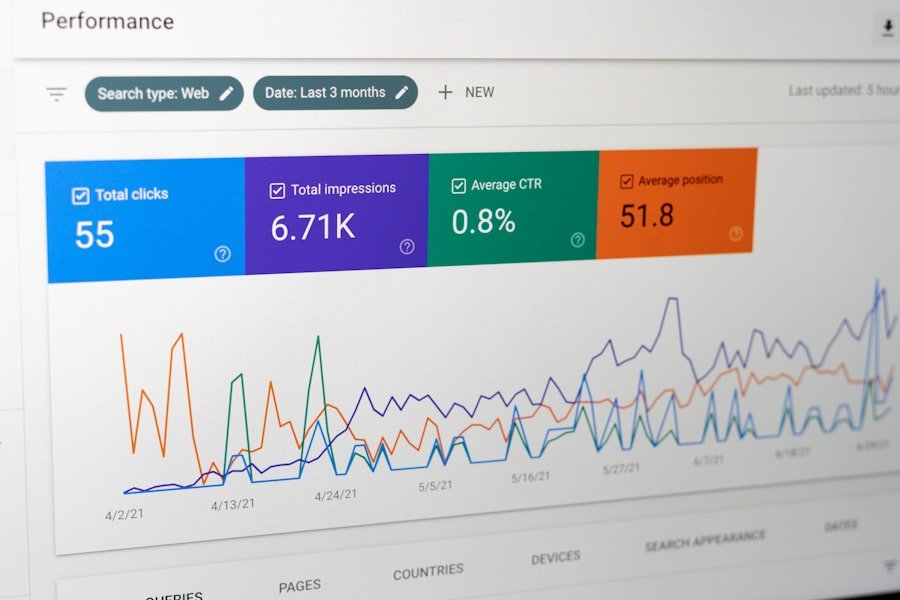
Google Search Console: Offers information about search queries, impressions, clicks, & any indexing problems related to your website’s performance in Google Search. remaining ahead of the curve. The field of SEO is always changing. Google frequently modifies its algorithms.
Keep yourself updated on any significant changes that could impact your approach. Industry Trends: Pay attention to search patterns, new content formats, and technology developments. You can create a strong online presence that draws in the best opportunities for your training company by approaching SEO with the same methodical, client-focused approach that you bring to your facilitation. It’s about continuously showcasing your worth and making it simple for your ideal customers to find you.
.
FAQs
What is SEO and why is it important for a training business?
SEO stands for search engine optimization, which is the process of improving a website’s visibility on search engines like Google. For a training business, SEO is important because it helps potential clients find your services when they search for relevant keywords, ultimately driving more traffic to your website.
What are some key SEO strategies for ranking a training business on Google?
Some key SEO strategies for ranking a training business on Google include optimizing website content with relevant keywords, creating high-quality and valuable content, building backlinks from reputable sources, and ensuring a mobile-friendly and fast-loading website.
How long does it take to see results from SEO efforts for a training business?
The timeline for seeing results from SEO efforts can vary depending on factors such as the competitiveness of the industry, the quality of the SEO strategies implemented, and the current state of the website. Generally, it can take several months to start seeing significant improvements in search engine rankings.
What are some common SEO mistakes to avoid for a training business?
Common SEO mistakes to avoid for a training business include keyword stuffing, neglecting local SEO efforts, ignoring the importance of user experience, and not regularly updating website content. It’s also important to avoid using black hat SEO tactics that can result in penalties from search engines.
How can a training business measure the success of its SEO efforts?
A training business can measure the success of its SEO efforts by tracking key metrics such as organic traffic, keyword rankings, conversion rates, and engagement metrics. Additionally, tools like Google Analytics and Google Search Console can provide valuable insights into the performance of SEO strategies.