
So, what exactly is a master facilitator? In a nutshell, a master facilitator is an expert in the art & science of guiding groups to achieve their goals effectively and collaboratively. Consider them as high-level facilitators for discussions, meetings, & workshops, with a broad toolkit of strategies to keep things inclusive, productive, and on course, as well as a profound understanding of group dynamics.
They do more than simply conduct meetings; they create an atmosphere that fosters creativity, comprehension, and agreement. The Master Facilitator’s Function. Keeping track of time and taking notes are only two aspects of a master facilitator’s job.
In exploring the concept of a master facilitator, you may find it beneficial to read the article on the “Program for Quantum Facilitator,” which delves into advanced facilitation techniques and the skills necessary to excel in this role. This resource complements the insights provided in “What Is a Master Facilitator? Complete Beginner’s Guide” by offering a deeper understanding of the transformative power of facilitation in various settings. For more information, you can visit the article here: Program for Quantum Facilitator.
As strategic partners, they create and carry out experiences that reliably produce particular results. When stakes are high, difficult issues need to be resolved, or disparate groups need to come to an understanding, they become indispensable. Their ultimate goal is to enable the team to produce its best work, frequently without the team even being aware of how expertly they have been led. Why Are Master Facilitators Necessary?
Relying on conventional hierarchical decision-making or unstructured meetings frequently fails in today’s complex world, where communities & organizations face multifaceted challenges. Master facilitators fill this gap by providing structured processes and expert navigation through challenging conversations, ensuring every voice is heard, and every perspective considered, ultimately leading to more robust & sustainable solutions. It takes more than a single course or a few books to become an expert facilitator. It’s a journey of continuous learning, practice, & self-reflection. It entails mastering a particular set of abilities and gaining a thorough comprehension of group dynamics.
Become a certified Master Facilitator with Power Success Training at https://powersuccesstraining.com/master-facilitator
Foundational Skills: Building Blocks of Facilitation. Before mastering facilitation, one must first grasp its fundamentals. More sophisticated methods are constructed using these fundamental building blocks. Active Listening: Hearing Beyond the Words.
In exploring the role of a master facilitator, you may find it beneficial to read a related article that delves into the essential skills and qualities required for effective facilitation. This comprehensive guide provides insights into how a master facilitator can enhance group dynamics and drive productive conversations. For more information, you can check out this article on training and development.
It’s not enough to simply wait for your turn to speak. Active listening involves fully concentrating on what is being said, both verbally & non-verbally, to truly understand the speaker’s message, emotions, and underlying needs. Unspoken worries, implicit presumptions, and subtle clues can all be detected by a skilled facilitator. Effective Questioning: Unlocking Knowledge. Good facilitation is built on the foundation of effective questions.
Expert facilitators are adept at posing open-ended, thought-provoking queries that test presumptions, promote in-depth analysis, & elicit important details from participants. They are adept at crafting questions that encourage sincere inquiry rather than controlling the group. Process Design: Developing the Path.
This ability entails carefully organizing the format and activities of a workshop or meeting in order to accomplish particular goals. It involves determining which instruments, methods, & procedures will best meet the needs of the group & produce the intended results. If the circumstances change, a skilled facilitator can quickly modify their plan. Reading the Room: Awareness of Group Dynamics.
It is essential to comprehend how people interact in a group environment & to identify power dynamics, interpersonal conflicts, and different communication styles. A skilled facilitator can foresee possible obstacles and deftly step in to preserve a courteous and productive atmosphere. Holding the Space: Impartiality and Neutrality. A facilitator must maintain objectivity, making sure that all points of view are respected and handled fairly without taking sides.
This does not imply disengagement; rather, it means acting as an impartial mentor who is only concerned with the group’s advancement. Advanced Skills: Mastery’s Marks. A master facilitator develops more sophisticated and intricate skills that set them apart from competent facilitators after they have established a strong foundation.
Mediation & Conflict Resolution: Getting Through the Storm. Conflicts inevitably arise in groups. A master facilitator possesses advanced techniques to address conflict constructively, turning potential breakdowns into breakthroughs. They can mediate tense discussions, identify root causes of conflict, and guide groups toward mutually acceptable solutions. Making the connections between strategic thinking and alignment.
A master facilitator assists groups in coordinating their efforts with more general organizational or community objectives outside of one-on-one sessions. They are able to see the wider picture, foresee long-term effects, and assist participants in making choices that align with overarching strategies. Emergence and Adaptability: Dancing with the Unknown. Even with the best of intentions, sessions seldom go as planned.
A skilled facilitator is incredibly flexible, able to change course, rethink, and effectively address unforeseen obstacles or new needs within the group without faltering. They can read the room & adjust the process in real-time. Emotional intelligence includes self-awareness and empathy.
Understanding and managing one’s own emotions, as well as recognizing and influencing the emotions of others, is paramount. A skilled facilitator uses emotional intelligence to establish rapport, handle delicate subjects, and create a setting that is psychologically secure for participants. Subtle guidance is the art of intervention. Knowing when, how, and what to intervene on is crucial in this situation. Expert facilitators make timely, targeted interventions that gently challenge presumptions, reroute fruitless conversations, or return attention to the goal—often without participants even being fully aware that an intervention has taken place. Master facilitators don’t just rely on their innate abilities; they leverage a diverse array of tools and techniques to enhance group collaboration and problem-solving.
This “toolkit” is always growing and changing to fit different situations. Process Tools: Structuring Engagement. These resources offer frameworks for directing conversations & exercises, guaranteeing a logical flow and thorough investigation of subjects. Brainstorming and Brainwriting: Generating Ideas. In order to generate a wide range of ideas without passing judgment, methods like traditional brainstorming, mind mapping, or brainwriting—where ideas are written down individually before being shared—are employed. This promotes creativity & divergent thinking.
Making decisions using . voting & prioritization matrices. When a large number of ideas are produced, master facilitators assist groups in distilling & prioritizing them using techniques like . voting, in which participants place stickers or marks next to preferred options, or prioritization matrices, which weigh options against criteria.
Evaluating strengths and weaknesses is known as SWOT analysis. A popular strategic planning technique for comprehending internal and external elements impacting a project or organization is the analysis of strengths, weaknesses, opportunities, and threats. A skilled facilitator guarantees that every quadrant is thoroughly explored. Root Cause Analysis: Digging Deeper.
By using methods like the “5 Whys” or fishbone diagrams, teams can find more long-term solutions by addressing the root causes of issues rather than just their symptoms. Appreciative Inquiry: Putting Strengths First. This strategy moves the emphasis from issues to achievements and opportunities. Discovery (what works well), Dream (what could be), Design (how to achieve it), and Destiny (sustaining positive changes) are the phases that master facilitators lead groups through.
Improving Virtual and Hybrid Sessions with Technological Tools. In a world where virtual collaboration is becoming more and more important, skilled facilitators use technology to increase engagement and overcome distance. Virtual whiteboards & platforms for collaboration. Similar to in-person whiteboards, tools like Miro, Mural, or Google Jamboard allow for real-time collaboration, brainstorming, and visual idea organization. Tools for surveys & polls.
During a session, quick feedback can be gathered, group sentiment can be assessed, and data-driven decisions can be made by using integrated polling features in video conferencing platforms or external tools like Mentimeter. Virtual groupings and breakout spaces. Smaller group discussions and more concentrated work are made possible by utilizing breakout room functionality, which mimics the dynamics of breaking up into smaller groups in a physical setting. Communication Tools: Fostering Clarity. Beyond the actual process, skilled facilitators are adept at a variety of communication strategies to guarantee comprehension and reduce misunderstandings.
Paraphrasing & Summarizing: Ensuring Understanding. Frequently restating what has been said in their own words shows that the facilitator is actively listening to the group, ensures that they have understood, and offers a chance for clarification. Visual Facilitation: Giving Concepts Form. Complex information can be made more understandable and memorable by using flip charts, whiteboards, or digital tools to graphically record discussions, connect concepts, and visually represent ideas.
Establishing & ending the tone during check-ins and check-outs. Short exercises to start a session (e.g. The g. , “one word to describe how you’re feeling”) help gauge the group’s energy and presence. Check-outs at the end (e. “g.”. “one takeaway from today”) give learning closure and reinforcement.
While a good meeting leader can handle many situations, there are specific scenarios where the expertise of a master facilitator becomes invaluable, significantly increasing the likelihood of successful outcomes. High-Stakes Decision Making: Getting it Right. Bringing in an unbiased master facilitator guarantees a comprehensive, impartial, & inclusive process when decisions have a big organizational or community impact, reducing the possibility of missed viewpoints or rash decisions. This includes strategic planning sessions, major policy reviews, or critical project go/no-go decisions. Untangling Knots in Complex Problem Solving.
A skilled facilitator can provide new insights, organize the problem-solving process, & lead the group through creative solutions for enduring, complex issues that have resisted prior attempts at resolution. Consider problems with product development, cross-departmental inefficiencies, or unresolvable team disputes. Bridging Divides through Diverse Stakeholder Engagement. A skilled facilitator is essential for establishing a neutral ground, promoting understanding, and fostering consensus among disparate parties when a project or initiative involves multiple groups with different interests, power dynamics, or communication styles. This is common in community development, public policy formulation, or multi-organizational collaborations.
Healing Divisions through Conflict Resolution. In situations where overt or underlying conflicts threaten group cohesion or project success, a master facilitator’s mediation and conflict resolution skills are essential. They are adept at navigating delicate conversations, assisting parties in expressing their needs, & directing them toward points of agreement. Workshops for Innovation and Creativity: Generating New Concepts. Groups frequently require an open, structured environment that promotes playful exploration and divergent thinking in order to foster true innovation.
A master facilitator designs and guides workshops specifically aimed at sparking creativity, breaking mental blocks, and generating novel solutions. Hiring a skilled facilitator is an investment that pays off in ways that go well beyond just making the meeting run smoothly. They have an impact on an organization’s overall productivity, group dynamics, and decision-making quality. Improved Decision Quality: Better Results. Master facilitators assist groups in making decisions that are more robust, sustainable, and well-informed by making sure all pertinent information is presented, viewpoints are heard, and strict procedures are adhered to.
The group successfully utilizes its collective intelligence. Enhanced Commitment & Buy-in: Ownership Outside the Room. Participants are much more likely to support and advocate for the results when they feel truly heard and involved in the decision-making process. A master facilitator cultivates this sense of ownership, reducing resistance to change & streamlining implementation. Better dynamics and communication within the group: more positive interactions.
Master facilitators can greatly enhance group interactions through their skilled interventions and modeling of effective communication. Long after the session is over, more fruitful relationships result from their assistance in conflict resolution, trust-building, & the development of an environment of candid communication and respect. Increased Productivity and Efficiency: Resources and Time Saved. Sessions that are well-led are more productive, focused, and less likely to veer off topic or have repetitive conversations. This effectiveness ensures that the group’s efforts are efficiently directed towards accomplishing objectives while saving important time and resources.
Empowerment and skill development: long-term effects. By demonstrating efficient group procedures, skilled facilitators frequently have a long-lasting influence in addition to attaining quick results. Through watching and interacting with their techniques, participants gradually acquire important teamwork and communication skills that they can use in their own work. Over time, they enable groups to become more self-sufficient.
.
FAQs
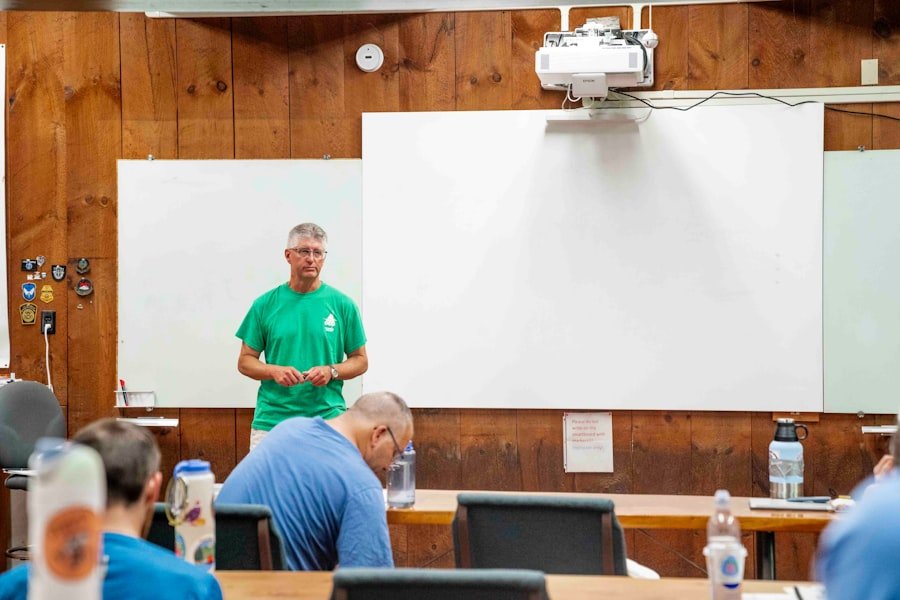
What is a master facilitator?
A master facilitator is an individual who has advanced skills in guiding groups through processes to achieve specific goals. They are experts in creating a collaborative and inclusive environment for effective communication and problem-solving.
What are the key responsibilities of a master facilitator?
The key responsibilities of a master facilitator include designing and leading group sessions, managing group dynamics, fostering creativity and innovation, ensuring participation from all members, and guiding the group towards consensus and decision-making.
What skills are required to become a master facilitator?
To become a master facilitator, one needs to possess strong communication and interpersonal skills, the ability to manage group dynamics, critical thinking and problem-solving abilities, adaptability, and a deep understanding of facilitation techniques and methodologies.
What are the benefits of having a master facilitator in a group or organization?
Having a master facilitator in a group or organization can lead to improved communication, enhanced collaboration, more effective problem-solving, increased productivity, better decision-making, and a positive impact on organizational culture.
How can someone become a master facilitator?
To become a master facilitator, individuals can pursue training and certification in facilitation, gain practical experience by leading group sessions, seek mentorship from experienced facilitators, and continuously develop their skills through learning and practice.